
The Salinity Defense: Safe and Effective Sodium Chloride Osmoregulatory Baths for Stressed Fish
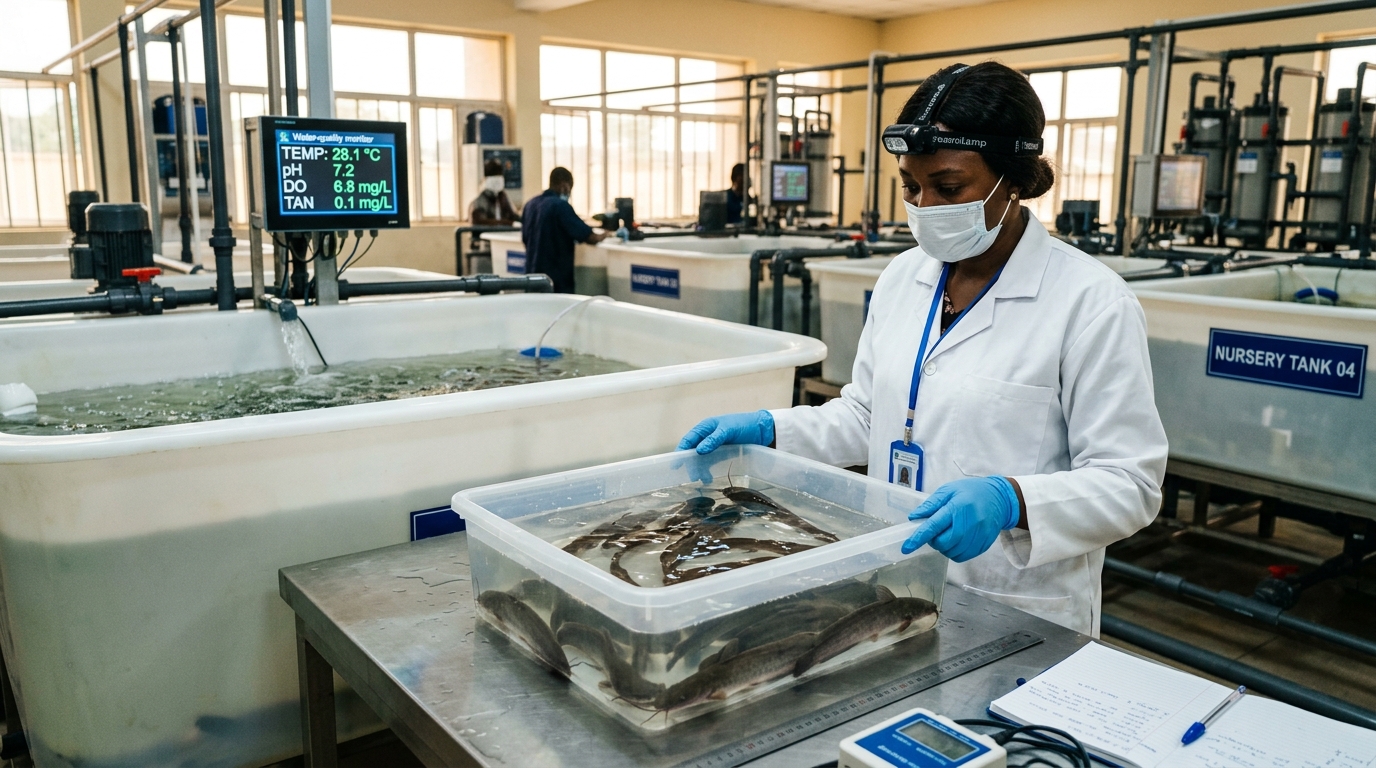
The Physiological Mechanics of Salt (NaCl) in Fresh Water
Freshwater catfish maintain blood osmolarity higher than their surrounding water. Consequently, water constantly diffuses into their tissues while electrolytes leak out through the gills. Maintaining this balance requires substantial metabolic energy.
Strategic Dosages for Commercial Operations
- Grading & Sorting Recovery (2 to 3 ppt): Adding 2–3 kg of rock salt per 1,000 liters reduces osmotic shock and restores energy balance within hours.
- Nitrite Toxicity Blockade (1 ppt): Chloride ions compete directly with nitrite for transport across gill binding sites. A 1 ppt salt concentration neutralizes nitrite levels up to 5 mg/L.
- Ectoparasite Flush Dip (15 to 20 ppt): A 3-minute concentrated bath knocks off flukes and protozoa without systemic pharmaceutical residue.
HAVE A FISH FARMING QUESTION?
Our technical biologists and pond managers assist farmers with water quality analysis and stocking setups.
Related Insights
All Articles →
Offtake Contract Structures: Negotiating Guaranteed Harvest Purchases with Institutional Buyers
Never stock a fingerling without knowing who will buy the harvest. How to draft bilateral offtake contracts with frozen food distributors, canning plants, and supermarket networks.
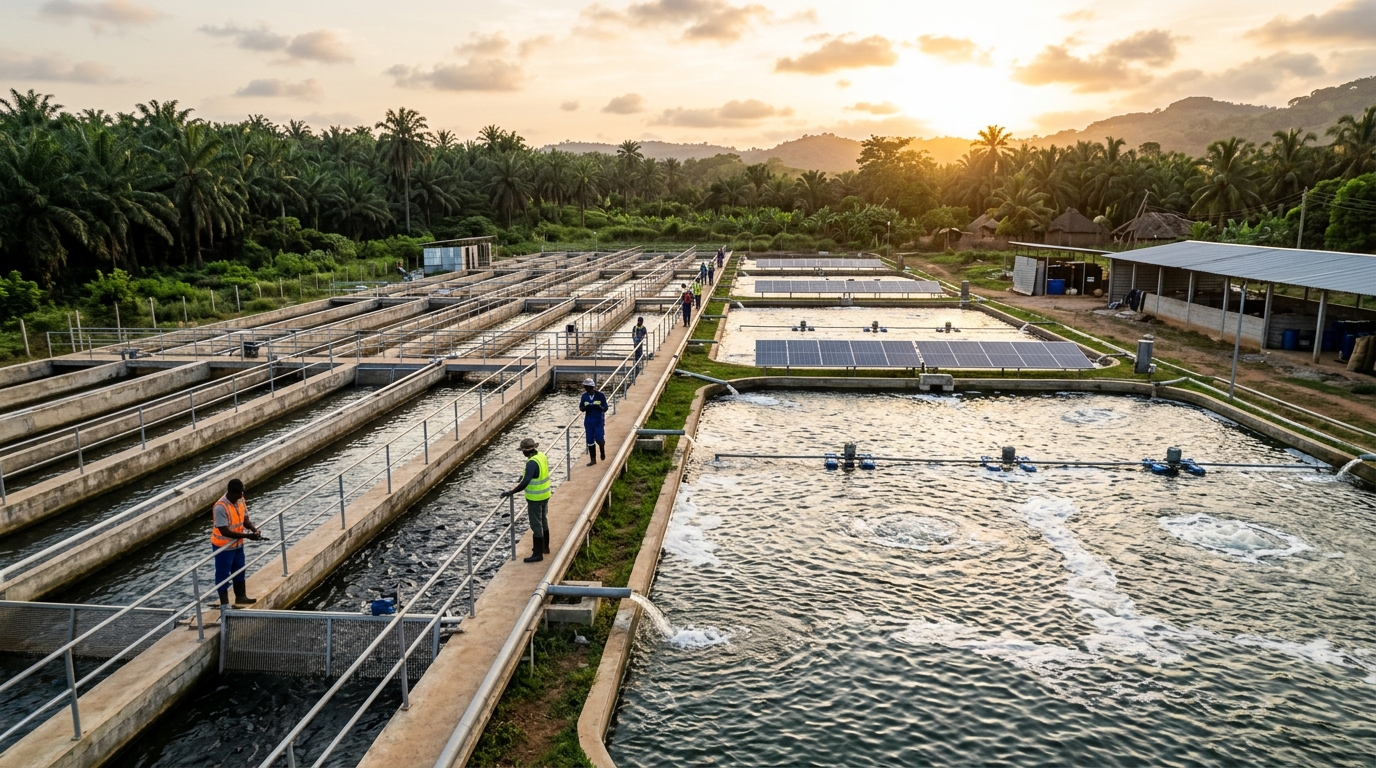
Pond Disinfection & Fallowing Science: Effective Chemical Sterilization and Sun-Baking Cycles
Skipping the mandatory between-cycle drying phase guarantees disease transmission to your next fingerling batch. Here is the complete post-harvest sanitation protocol.
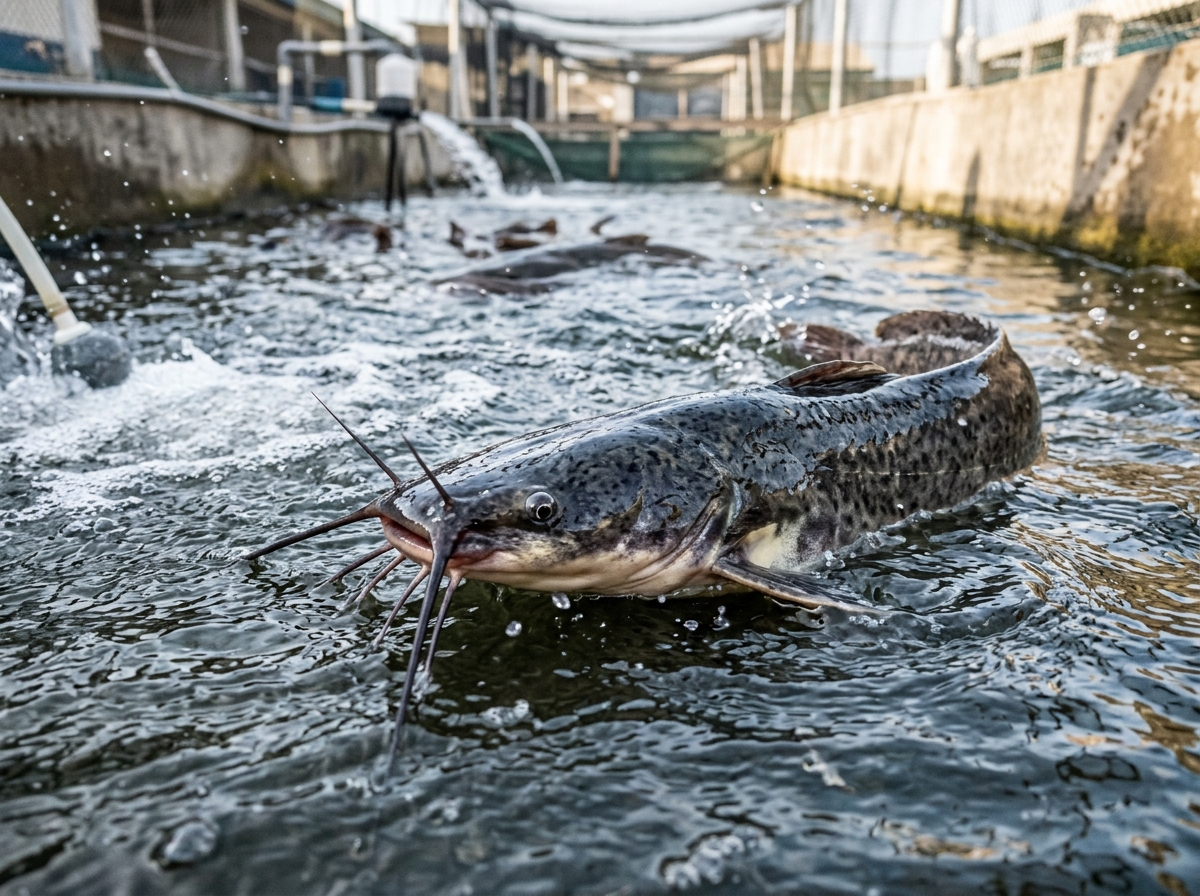
On-Farm Feed Storage Science: Preventing Mycotoxins, Aflatoxins, and Rancid Fat Degradation
Storing feed on damp concrete floors in tropical heat triggers invisible Aspergillus flavus fungal growth within 10 days. Protect your investment with palletized, ventilated feed rooms.