Pond Disinfection & Fallowing Science: Effective Chemical Sterilization and Sun-Baking Cycles
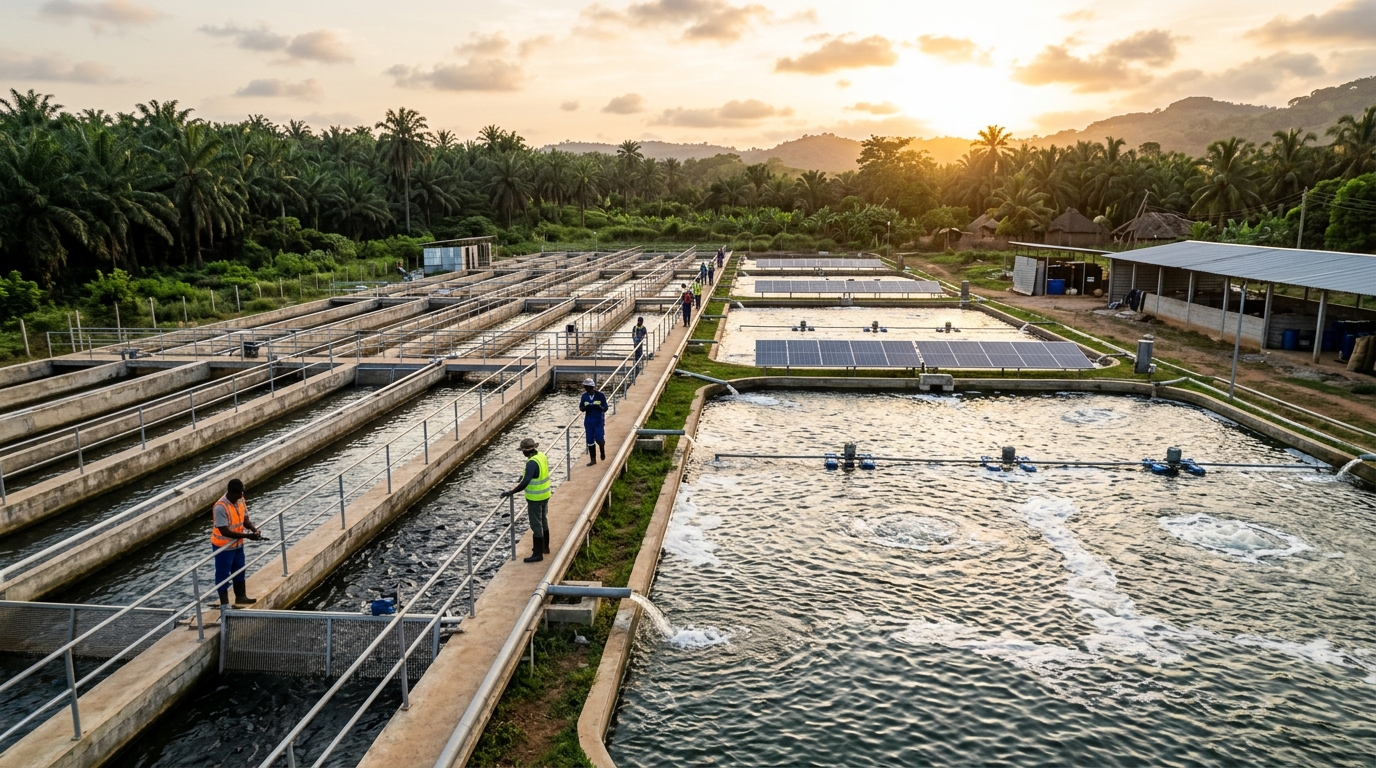
The Peril of Continuous Stocking Without Disinfection
Harvesting a pond and refilling it immediately to receive new seeds is the single most common mistake made by commercial fish operators. Fungal spores, parasite eggs, and pathogenic bacteria persist in bottom muck, ready to infect vulnerable fingerlings.
The 4-Stage Sterilization Cycle
- Sludge Excavation: Remove the top 5–10 cm of black organic anaerobic muck containing decomposed feed and feces.
- Agricultural Quicklime Application (CaO): Spread unslaked lime at 1,000–1,500 kg per hectare. The exothermic reaction raises soil pH above 11.0, eradicating pathogens and parasite cysts.
- Solar Baking (Fallowing): Leave the pond dry for 7 to 14 days until the soil cracks to a depth of 5 cm under intense sunlight.
- Pre-Stocking Water Quality Testing: Test water pH and hardness 72 hours after filling to confirm safe chemical balance before introducing seed.
HAVE A FISH FARMING QUESTION?
Our technical biologists and pond managers assist farmers with water quality analysis and stocking setups.
Related Insights
All Articles →
Offtake Contract Structures: Negotiating Guaranteed Harvest Purchases with Institutional Buyers
Never stock a fingerling without knowing who will buy the harvest. How to draft bilateral offtake contracts with frozen food distributors, canning plants, and supermarket networks.
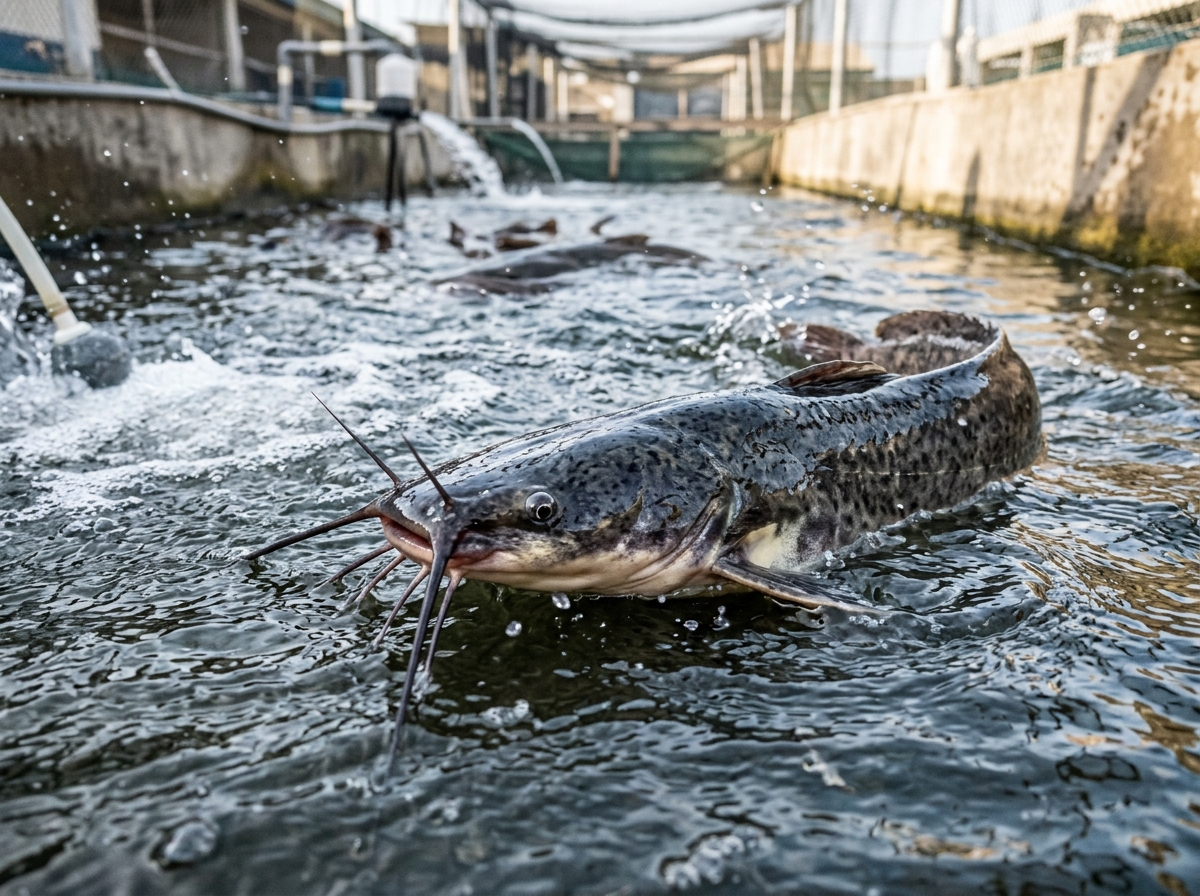
On-Farm Feed Storage Science: Preventing Mycotoxins, Aflatoxins, and Rancid Fat Degradation
Storing feed on damp concrete floors in tropical heat triggers invisible Aspergillus flavus fungal growth within 10 days. Protect your investment with palletized, ventilated feed rooms.
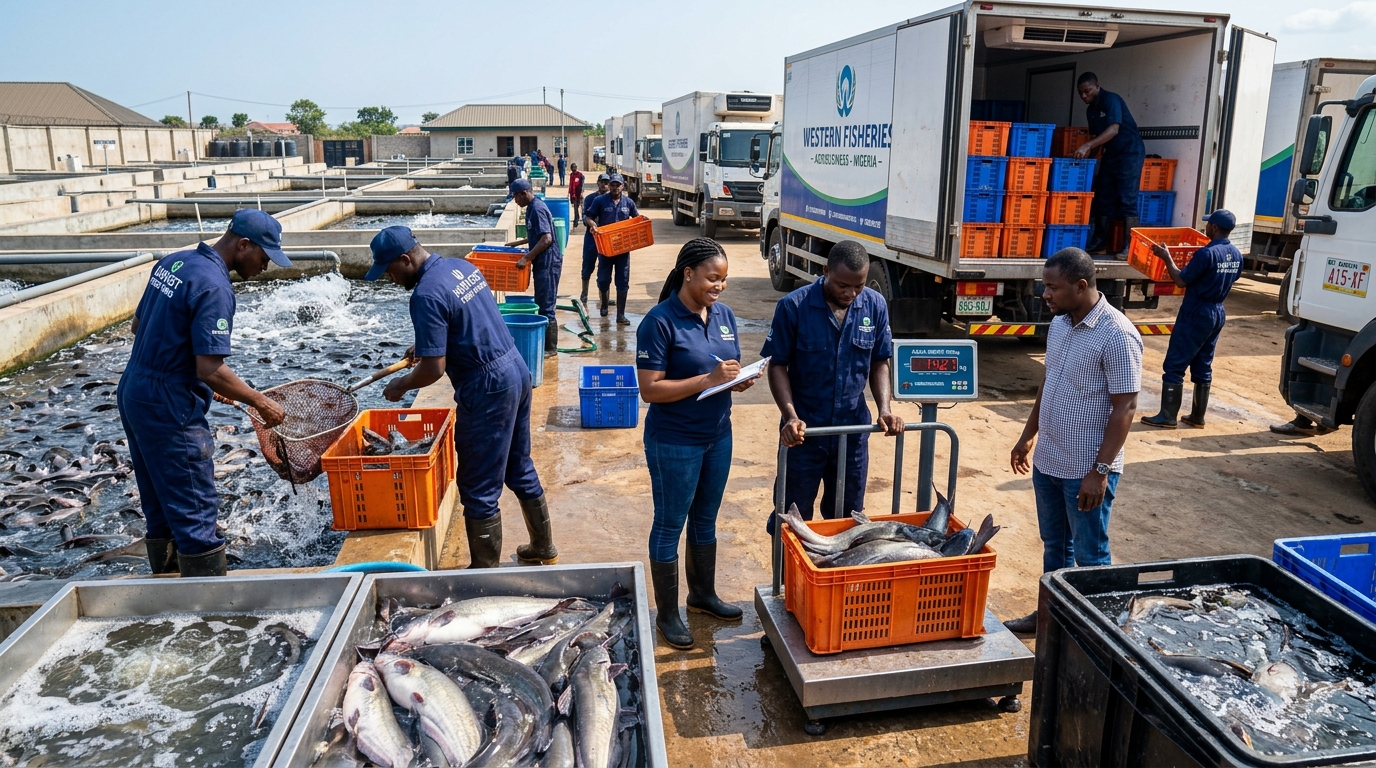
Budgeting Year One: Comprehensive Working Capital Forecast for a 10,000-Fish Grow-Out Operation
A transparent, line-by-line financial model breaking down fingerling procurement, feed tonnage, veterinary supplements, labor, utilities, and expected net harvest revenue.