
Budgeting Year One: Comprehensive Working Capital Forecast for a 10,000-Fish Grow-Out Operation
Understanding Cash Flow Before Stocking
Aquaculture projects frequently fail not from biological issues, but from running out of operating cash at Month 4 when fish appetite reaches peak demand and capital is tied up in biomass.
Key Financial Ratios for a 10,000 Catfish Cycle
- Feed Proportion: Feed accounts for 68% to 74% of total variable costs.
- Projected Biomass: Stocking 10,000 juveniles with 8% mortality yields 9,200 harvestable fish. At an average weight of 1.2 kg, harvest equals 11,040 kg of live catfish.
- Feed Required: At an FCR of 1.2:1, producing 11,040 kg requires 13,248 kg (530 bags of 25kg) of premium extruded floating feed.
- Breakeven Analysis: By securing forward contracts with point-and-kill grill operators prior to harvest, price volatility is mitigated, protecting your target 24–28% gross return margin.
HAVE A FISH FARMING QUESTION?
Our technical biologists and pond managers assist farmers with water quality analysis and stocking setups.
Related Insights
All Articles →
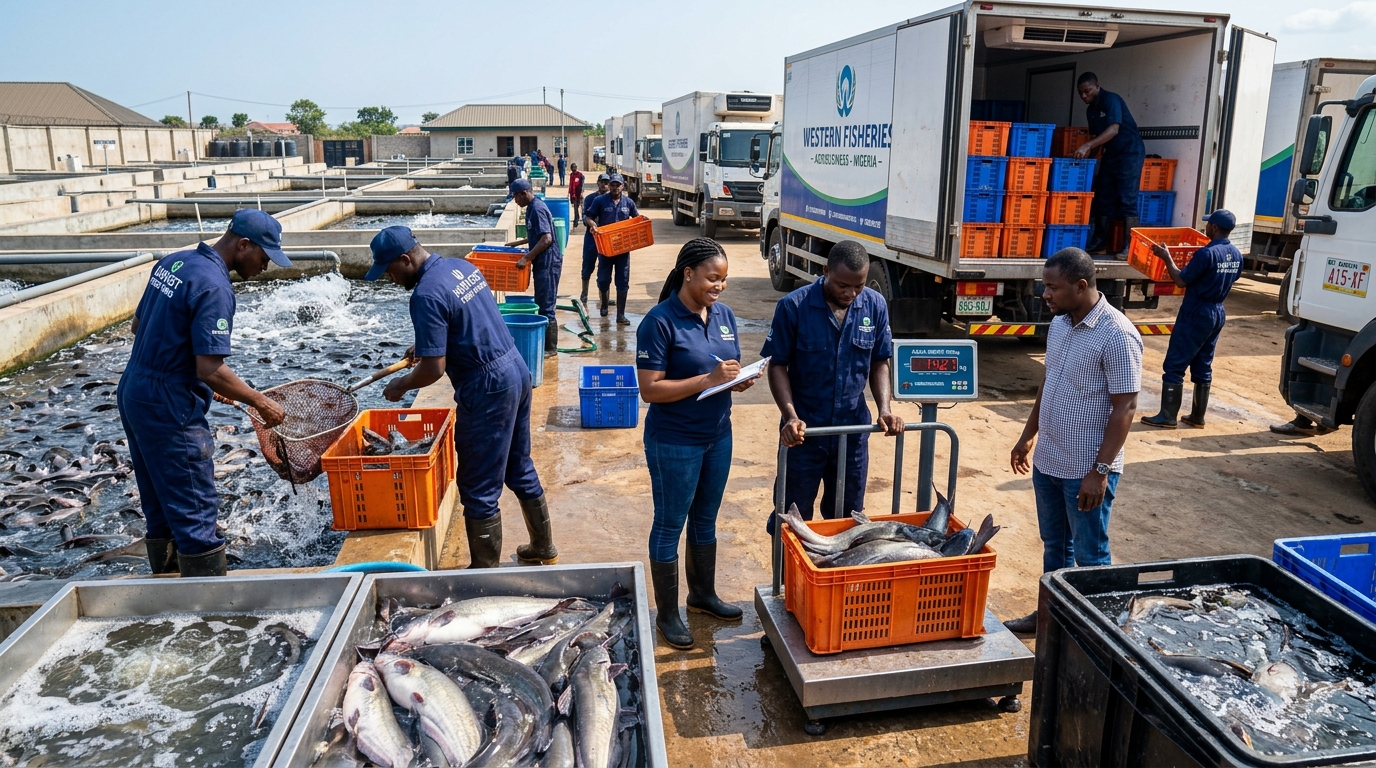
Offtake Contract Structures: Negotiating Guaranteed Harvest Purchases with Institutional Buyers
Never stock a fingerling without knowing who will buy the harvest. How to draft bilateral offtake contracts with frozen food distributors, canning plants, and supermarket networks.
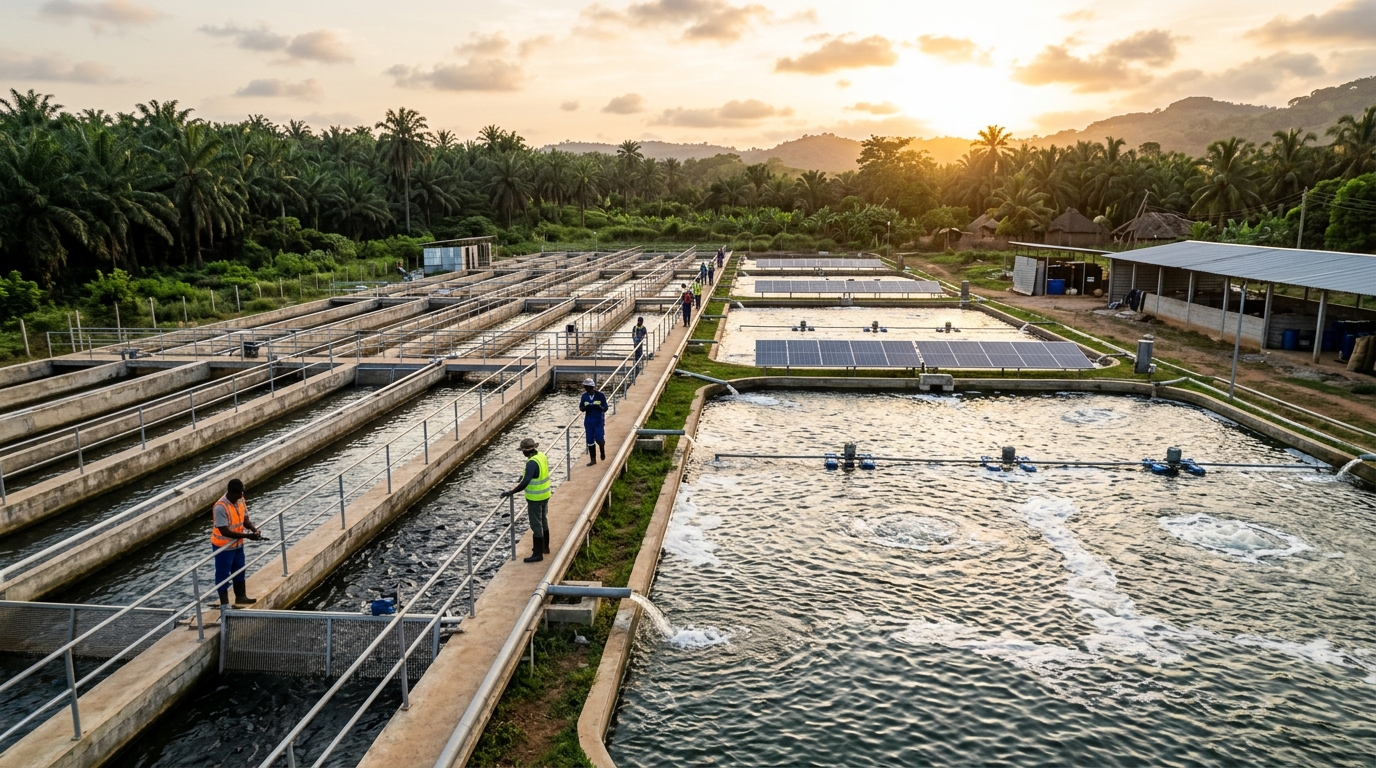
Pond Disinfection & Fallowing Science: Effective Chemical Sterilization and Sun-Baking Cycles
Skipping the mandatory between-cycle drying phase guarantees disease transmission to your next fingerling batch. Here is the complete post-harvest sanitation protocol.
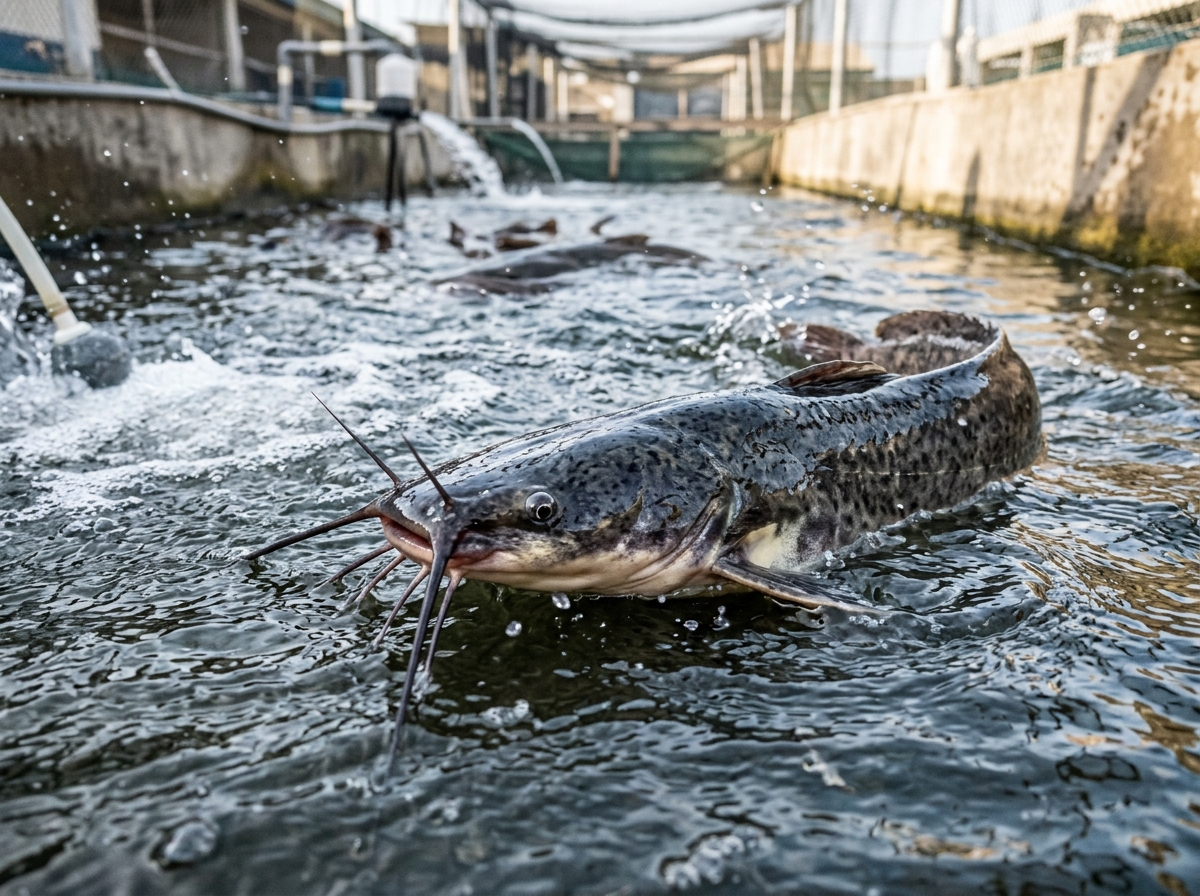
On-Farm Feed Storage Science: Preventing Mycotoxins, Aflatoxins, and Rancid Fat Degradation
Storing feed on damp concrete floors in tropical heat triggers invisible Aspergillus flavus fungal growth within 10 days. Protect your investment with palletized, ventilated feed rooms.