On-Farm Feed Storage Science: Preventing Mycotoxins, Aflatoxins, and Rancid Fat Degradation
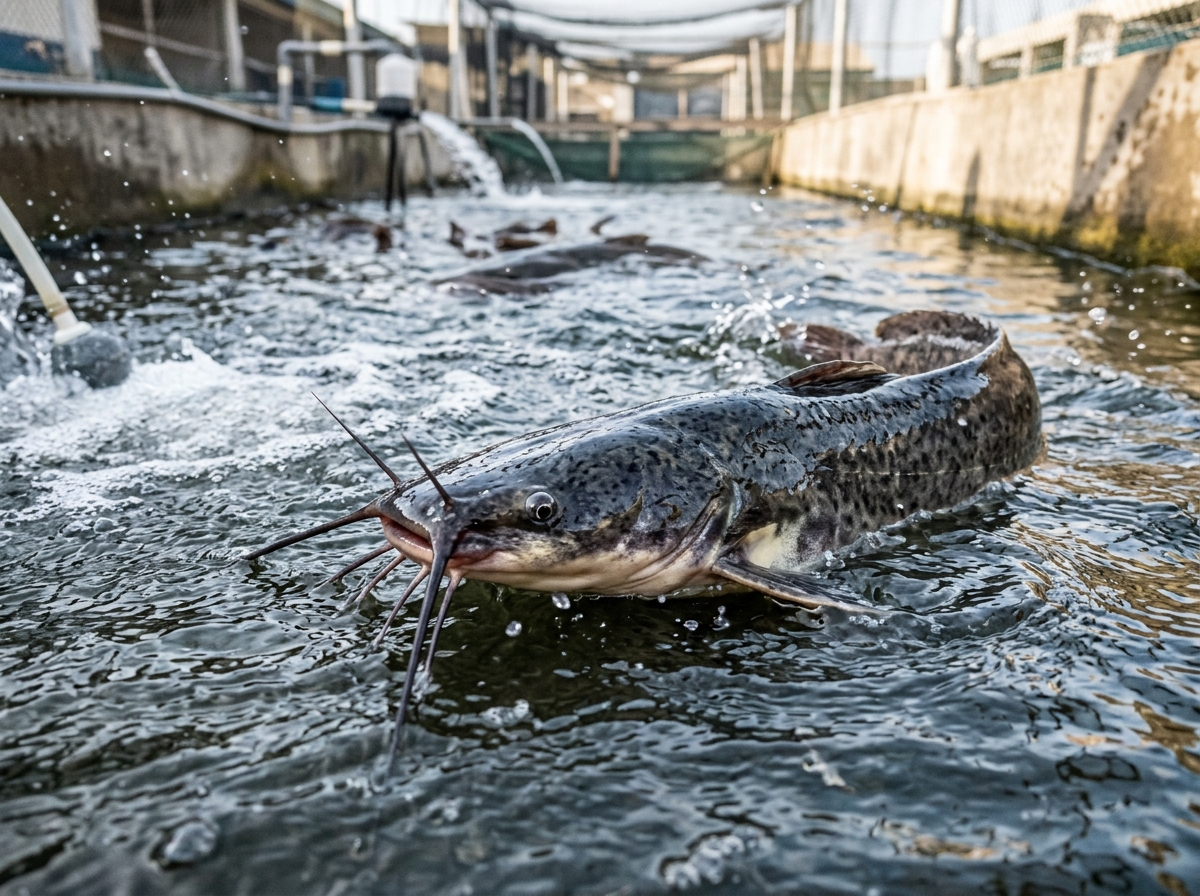
The Lethal Impact of Aflatoxin B1 in Fish
Aflatoxin contamination at levels as low as 20 parts per billion (ppb) induces severe liver degeneration, suppressed immune response, and internal hemorrhaging in catfish. Often, farmers blame diseases when the true killer was moldy feed stored incorrectly.
Strict Warehouse Storage Standards
- Always Use Wooden or Plastic Pallets: Never place feed bags directly on bare concrete. Maintain at least 15 cm of ground clearance.
- Wall Offset (30 cm Minimum): Keep stacks 30 cm away from perimeter walls to facilitate cross-ventilation and prevent condensation absorption.
- First-In, First-Out (FIFO): Strictly rotate stock. Extruded feeds containing omega fats degrade through lipid peroxidation after 90 days in hot tropical warehouses.
HAVE A FISH FARMING QUESTION?
Our technical biologists and pond managers assist farmers with water quality analysis and stocking setups.
Related Insights
All Articles →
Offtake Contract Structures: Negotiating Guaranteed Harvest Purchases with Institutional Buyers
Never stock a fingerling without knowing who will buy the harvest. How to draft bilateral offtake contracts with frozen food distributors, canning plants, and supermarket networks.
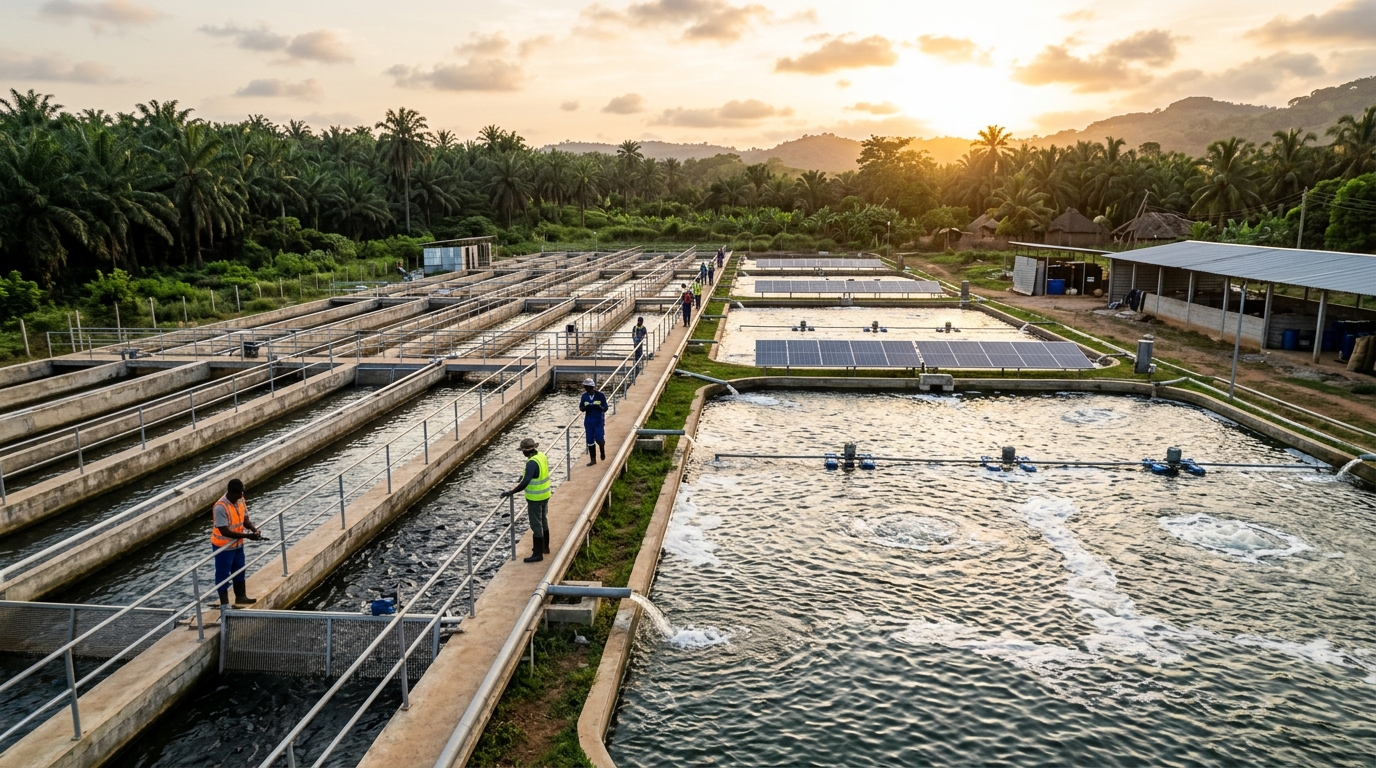
Pond Disinfection & Fallowing Science: Effective Chemical Sterilization and Sun-Baking Cycles
Skipping the mandatory between-cycle drying phase guarantees disease transmission to your next fingerling batch. Here is the complete post-harvest sanitation protocol.
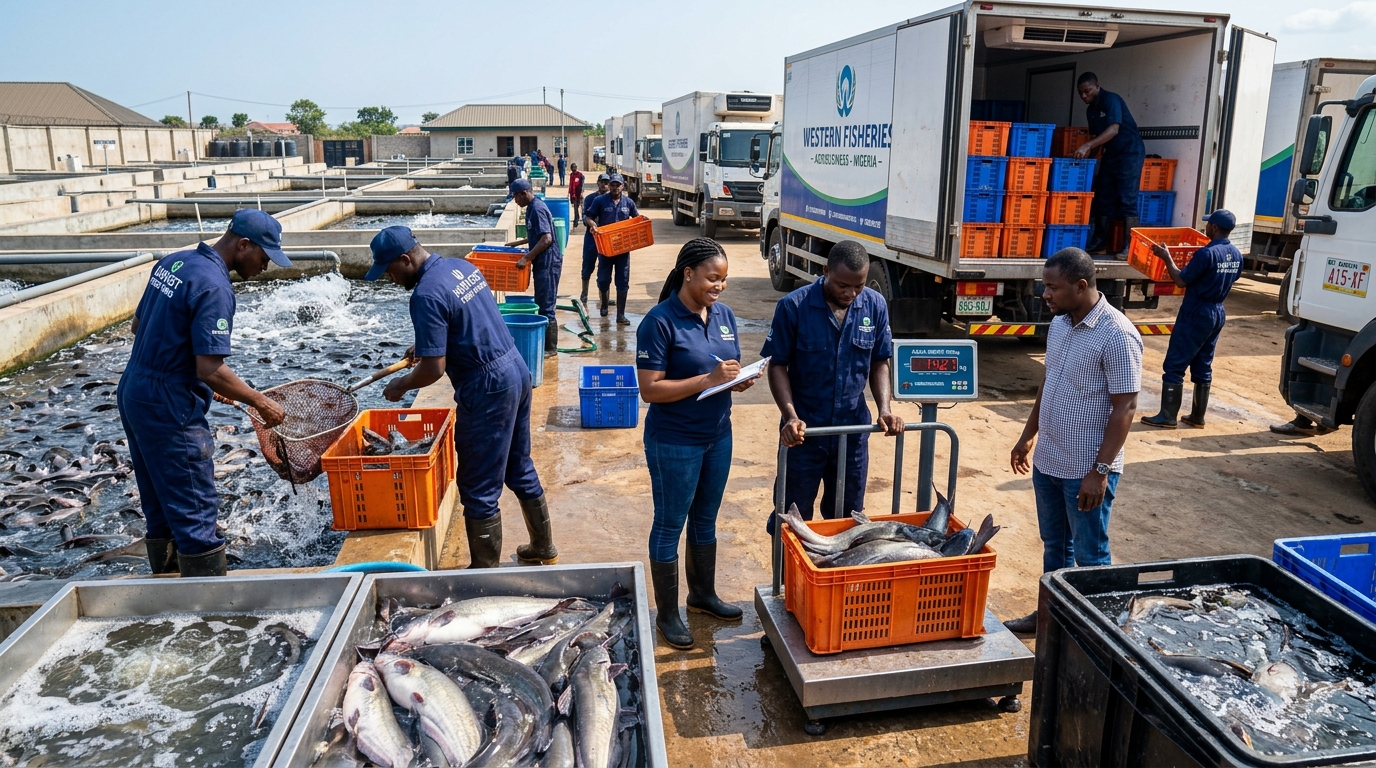
Budgeting Year One: Comprehensive Working Capital Forecast for a 10,000-Fish Grow-Out Operation
A transparent, line-by-line financial model breaking down fingerling procurement, feed tonnage, veterinary supplements, labor, utilities, and expected net harvest revenue.