
Site Selection Essentials: Topography, Soil Permeability, and Water Table Hydrology
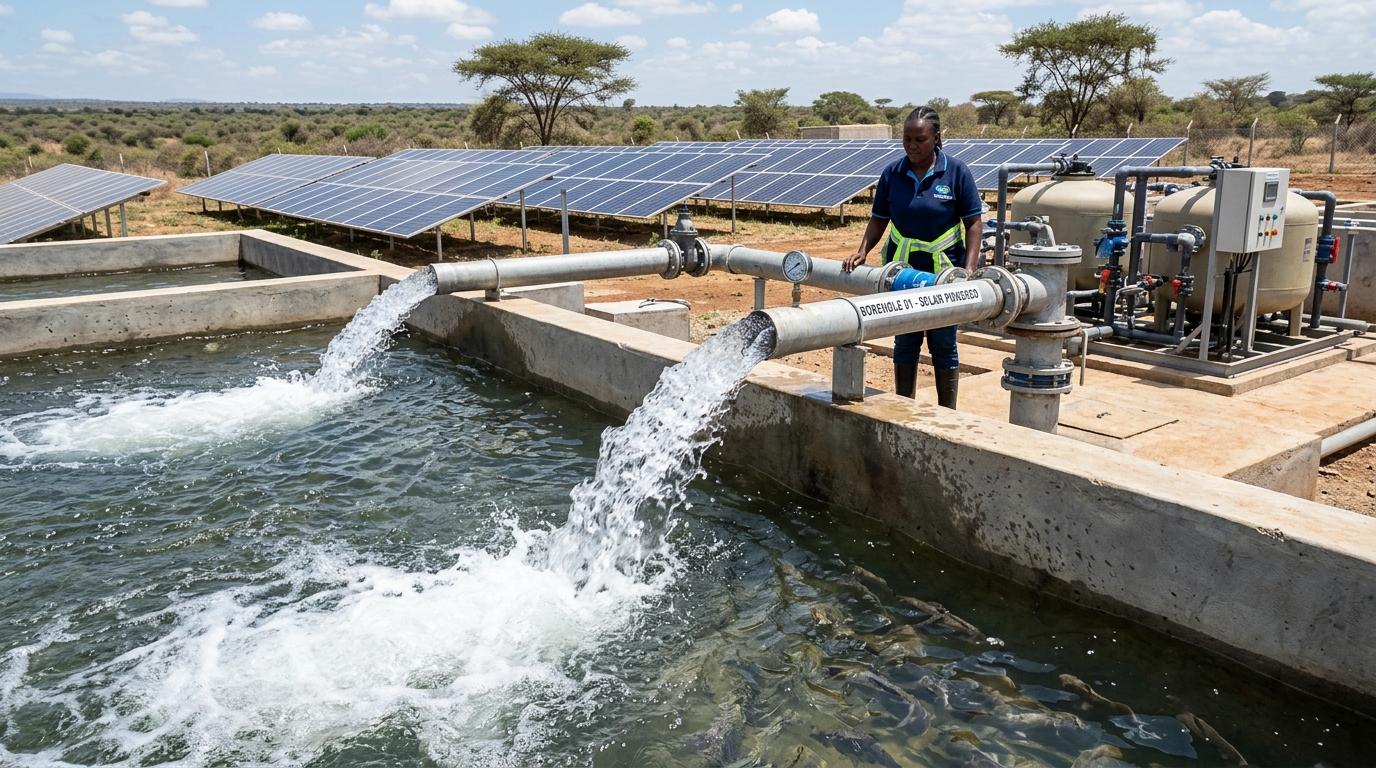
80% of Farming Problems Originate from Bad Land Selection
Water is heavy: one cubic meter of water weighs exactly one tonne. If you choose land with sandy soil that cannot retain water or low-lying valleys prone to uncontrolled flooding, civil engineering costs will wipe out your profits.
1. The Clay Content Ribbon Test
To test if soil can hold water in an earthen pond without plastic lining:
- Dig down 1 meter, take a fist-sized ball of moist subsoil, and squeeze it.
- Roll it into a cylinder 5mm thick. If you can bend it into a circle without breaking, it contains over 30% clay and is suitable for unlined earthen pond construction.
2. Gravity-Drain Topography
Always locate production ponds on a gentle slope (2–3% grade). This enables you to drain 100,000 liters of water in two hours via simple gravity siphon valves, eliminating the ongoing diesel fuel expense of mechanical drainage pumping.
HAVE A FISH FARMING QUESTION?
Our technical biologists and pond managers assist farmers with water quality analysis and stocking setups.
Related Insights
All Articles →
Offtake Contract Structures: Negotiating Guaranteed Harvest Purchases with Institutional Buyers
Never stock a fingerling without knowing who will buy the harvest. How to draft bilateral offtake contracts with frozen food distributors, canning plants, and supermarket networks.
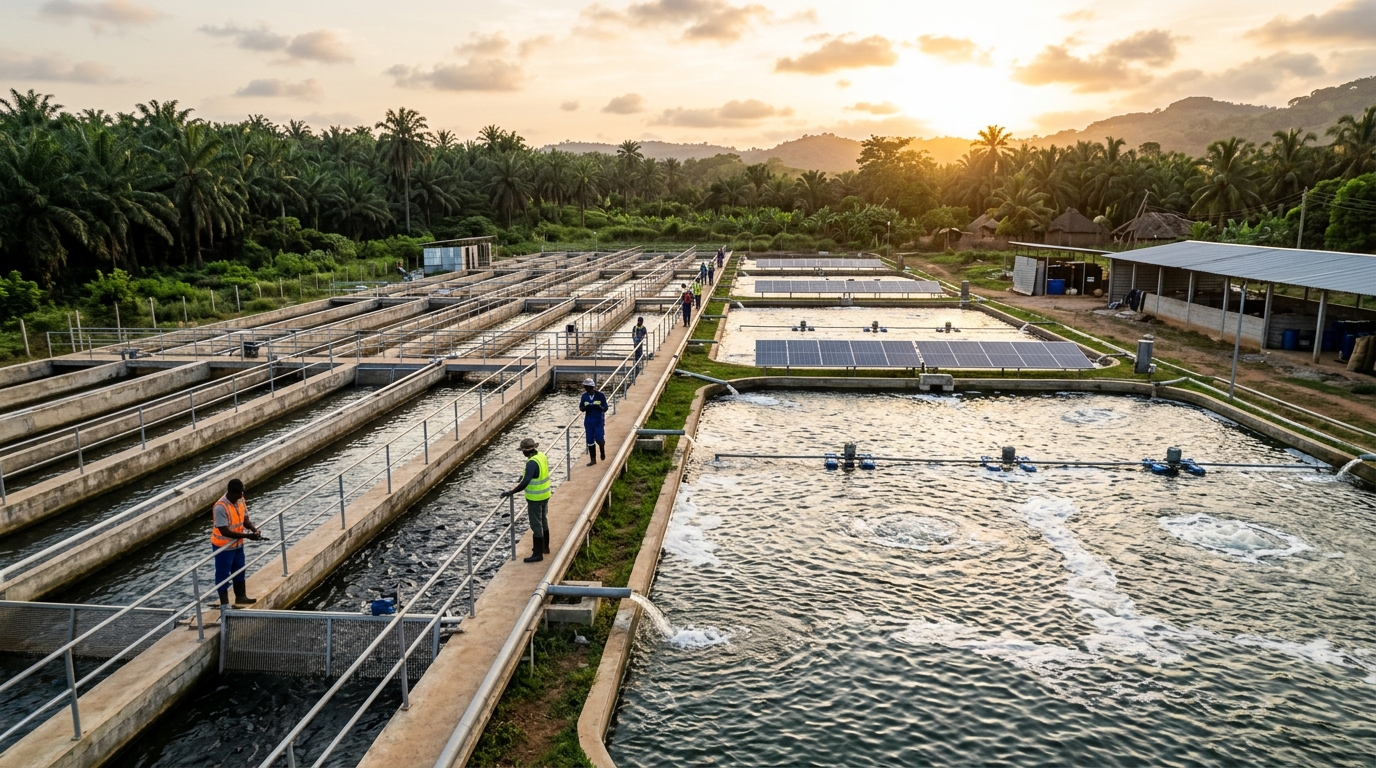
Pond Disinfection & Fallowing Science: Effective Chemical Sterilization and Sun-Baking Cycles
Skipping the mandatory between-cycle drying phase guarantees disease transmission to your next fingerling batch. Here is the complete post-harvest sanitation protocol.
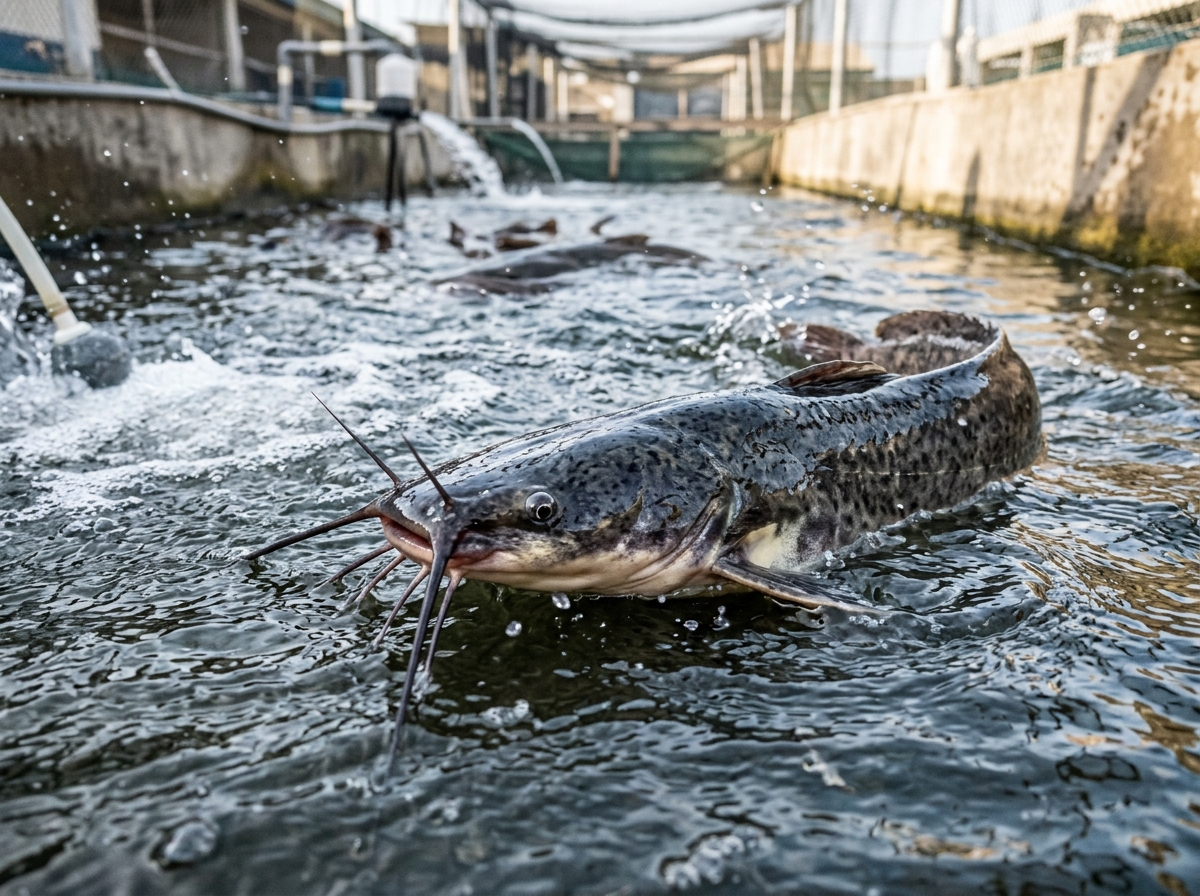
On-Farm Feed Storage Science: Preventing Mycotoxins, Aflatoxins, and Rancid Fat Degradation
Storing feed on damp concrete floors in tropical heat triggers invisible Aspergillus flavus fungal growth within 10 days. Protect your investment with palletized, ventilated feed rooms.