Borehole vs Stream Water: Water Extraction Engineering and Pre-Stocking Filtration Setups
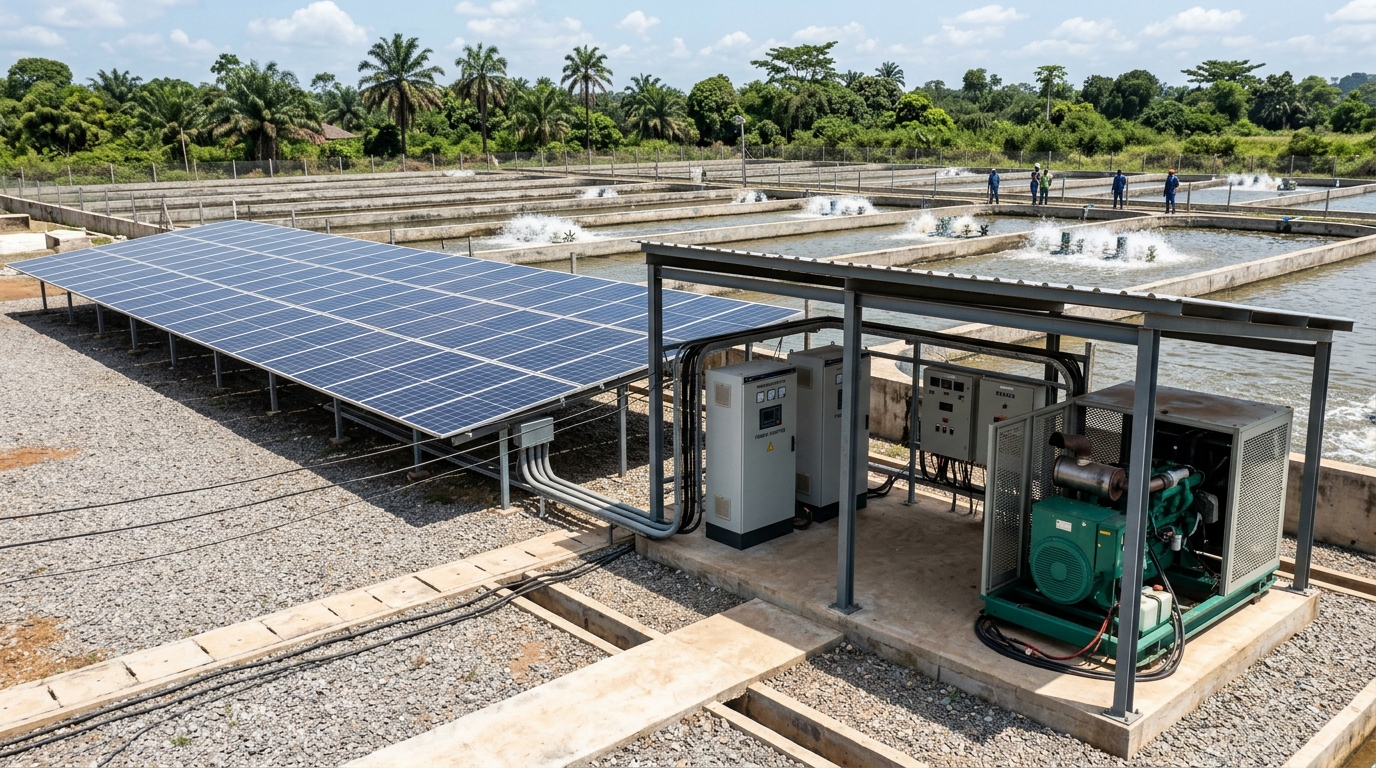
The Hidden Hazards of Natural Surface Water
Many newcomers attempt to pump water from nearby streams to save upfront drilling costs. However, river water introduces agricultural fertilizer runoff, wild parasite eggs, and fluctuating turbidity that suffocates fingerlings during monsoon rainstorms.
Deep Aquifer Borehole Advantages
- Consistent, sterile water source isolated from surface bacterial pathogens
- Constant temperature year-round (26°C–28°C), optimal for catfish digestion
- Reliable yield irrespective of dry season droughts
Pre-Stocking Aeration Cascades
Deep borehole water is often devoid of dissolved oxygen and may carry dissolved ferrous iron (Fe2+). Passing borehole discharge over a 3-step perforated cascade aerates the water instantly, oxidizing soluble iron into filterable particulates and elevating dissolved oxygen to saturation.
HAVE A FISH FARMING QUESTION?
Our technical biologists and pond managers assist farmers with water quality analysis and stocking setups.
Related Insights
All Articles →
Offtake Contract Structures: Negotiating Guaranteed Harvest Purchases with Institutional Buyers
Never stock a fingerling without knowing who will buy the harvest. How to draft bilateral offtake contracts with frozen food distributors, canning plants, and supermarket networks.
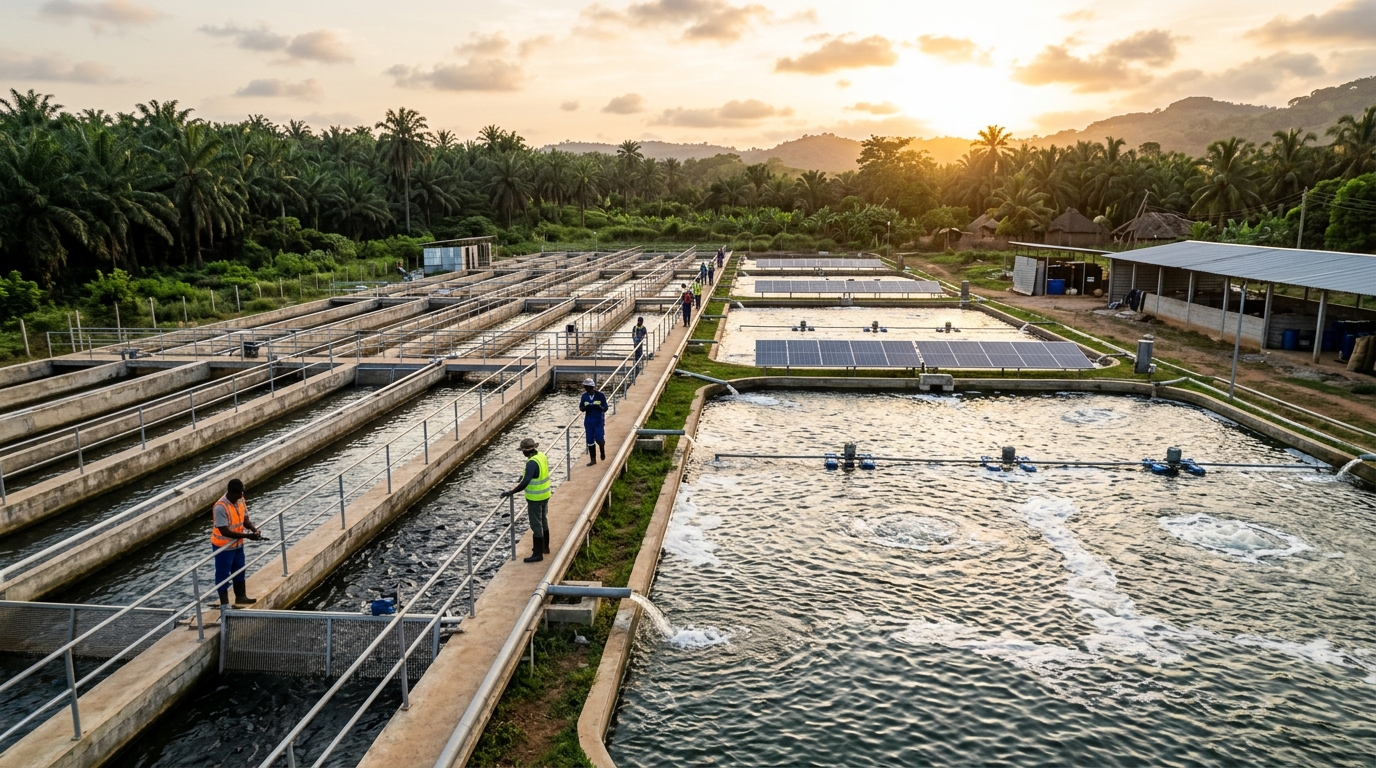
Pond Disinfection & Fallowing Science: Effective Chemical Sterilization and Sun-Baking Cycles
Skipping the mandatory between-cycle drying phase guarantees disease transmission to your next fingerling batch. Here is the complete post-harvest sanitation protocol.
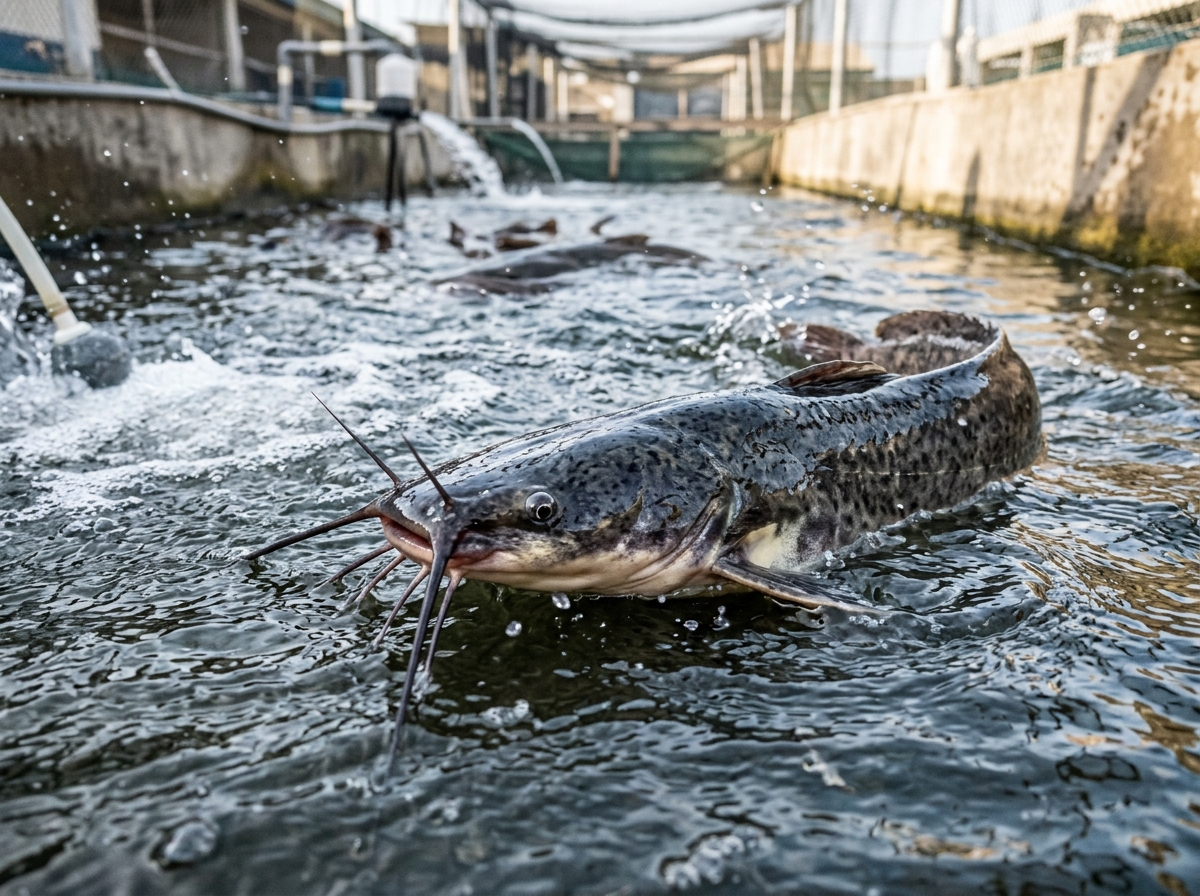
On-Farm Feed Storage Science: Preventing Mycotoxins, Aflatoxins, and Rancid Fat Degradation
Storing feed on damp concrete floors in tropical heat triggers invisible Aspergillus flavus fungal growth within 10 days. Protect your investment with palletized, ventilated feed rooms.