
African Catfish vs Asian Pangasius: Comparative Yields, Capital Costs, and Global Trade Dynamics
Understanding the Global Siluriformes Landscape
Global fish markets consume millions of tonnes of catfish-family species annually. Vietnam's Mekong Delta produces over 1.5 million tonnes of Pangasius fillet each year. However, for African and tropical markets, Clarias gariepinus remains king.
Key Biochemical Differences
- Muscle Density & Firmness: Clarias features a dark, dense, highly resilient muscle structure that withstands high-heat grilling and prolonged pepper soup simmering without flaking into mush.
- Physiological Hardiness: Unlike Pangasius, African Catfish possess an arborescent suprabranchial organ allowing them to utilize atmospheric air when dissolved oxygen drops.
- Import Substitution Opportunity: Nigeria imports over $600M in frozen pelagic fish annually. Scaling local commercial Clarias production is the primary mechanism to satisfy domestic protein security.
HAVE A FISH FARMING QUESTION?
Our technical biologists and pond managers assist farmers with water quality analysis and stocking setups.
Related Insights
All Articles →
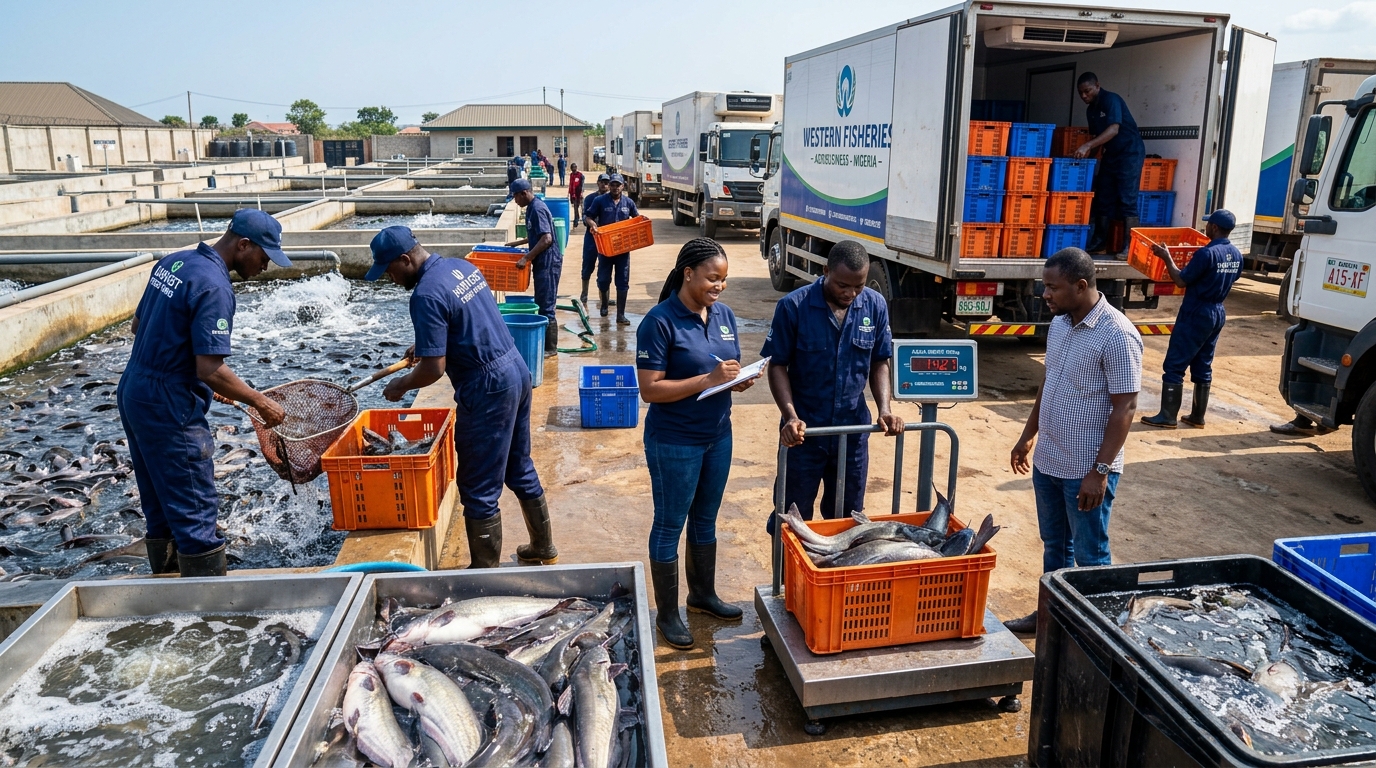
Offtake Contract Structures: Negotiating Guaranteed Harvest Purchases with Institutional Buyers
Never stock a fingerling without knowing who will buy the harvest. How to draft bilateral offtake contracts with frozen food distributors, canning plants, and supermarket networks.
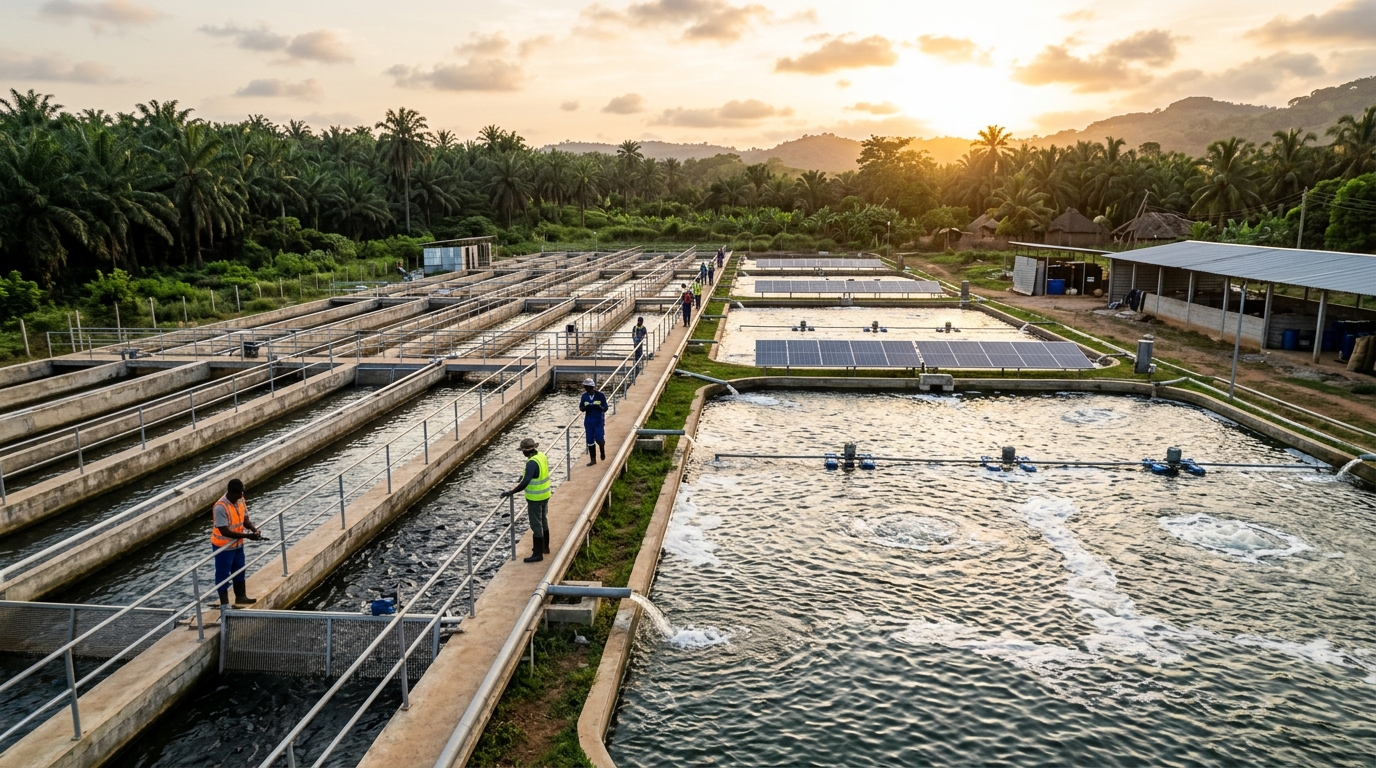
Pond Disinfection & Fallowing Science: Effective Chemical Sterilization and Sun-Baking Cycles
Skipping the mandatory between-cycle drying phase guarantees disease transmission to your next fingerling batch. Here is the complete post-harvest sanitation protocol.
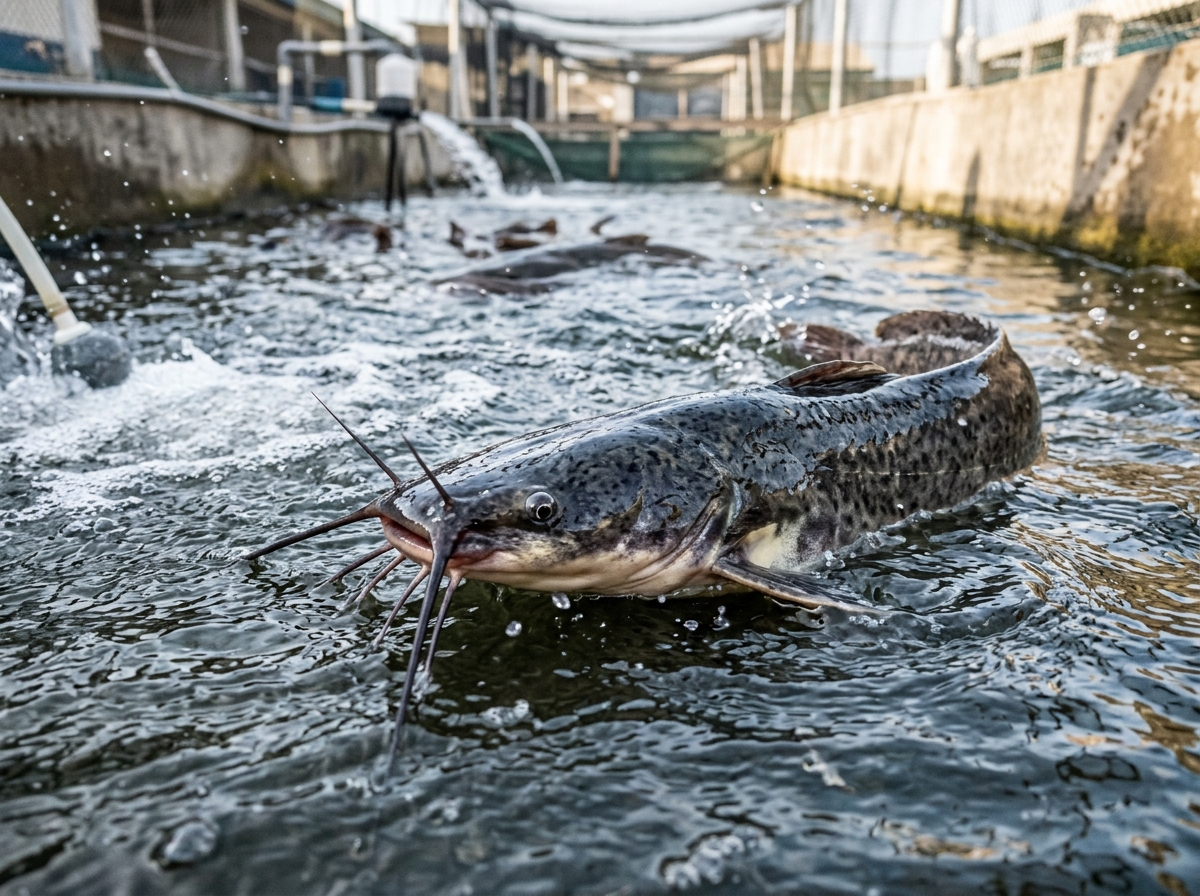
On-Farm Feed Storage Science: Preventing Mycotoxins, Aflatoxins, and Rancid Fat Degradation
Storing feed on damp concrete floors in tropical heat triggers invisible Aspergillus flavus fungal growth within 10 days. Protect your investment with palletized, ventilated feed rooms.